The Role of Tournaments in Building Community
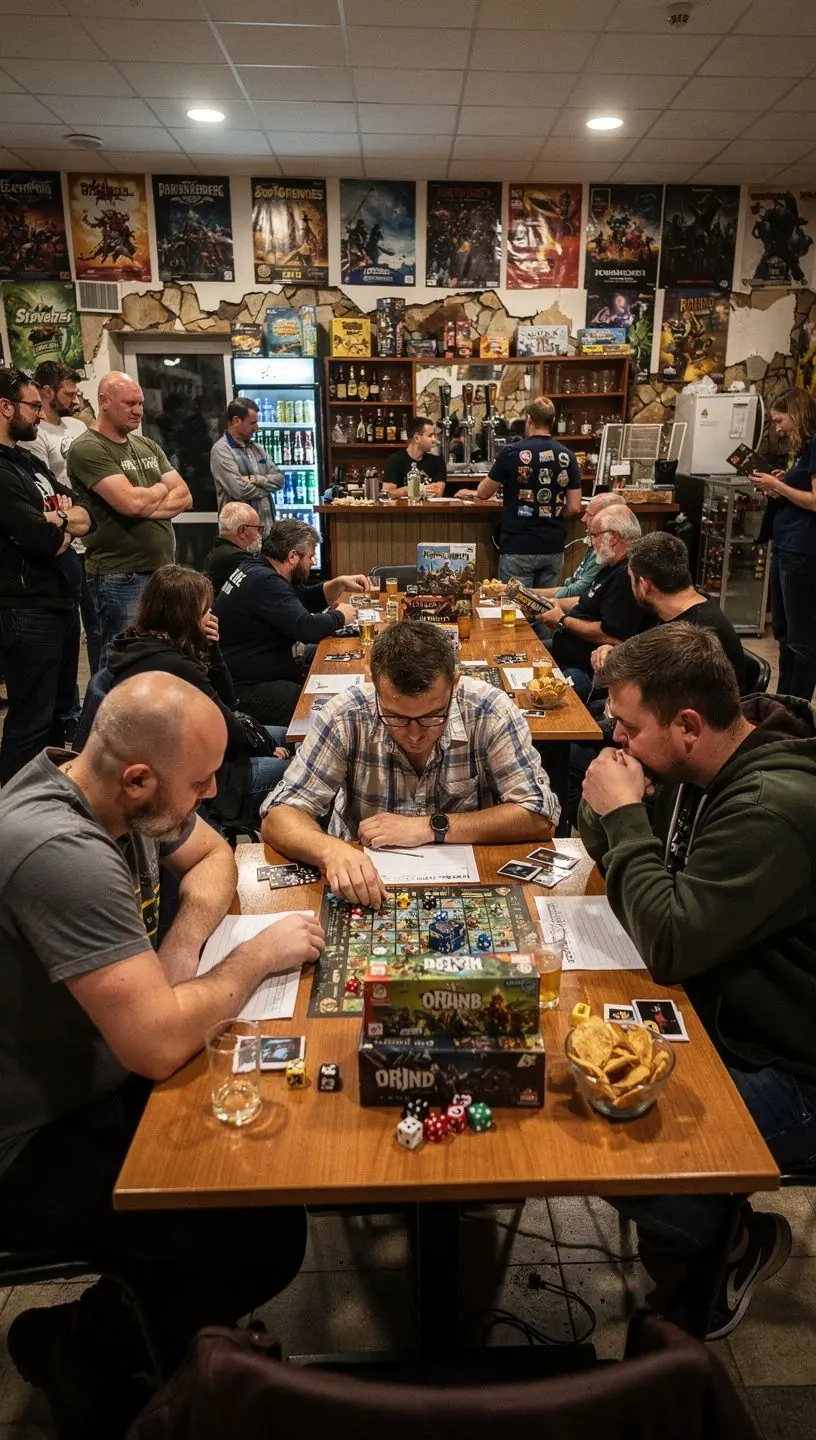
Tournaments in board games are not just about competition; they serve as a vital means of fostering community. Research shows that structured events can enhance social connections and create lasting friendships among participants, particularly in dedicated spaces like board game clubs.
Understanding the Importance of Tournaments
In many cases, tournaments provide an enjoyable platform for players to engage with one another. According to studies on social interaction, competitive events often encourage collaboration and camaraderie, making them effective tools for community building. The principle behind this is simple: when individuals come together to share a common interest in a structured environment, they are more likely to form meaningful connections.
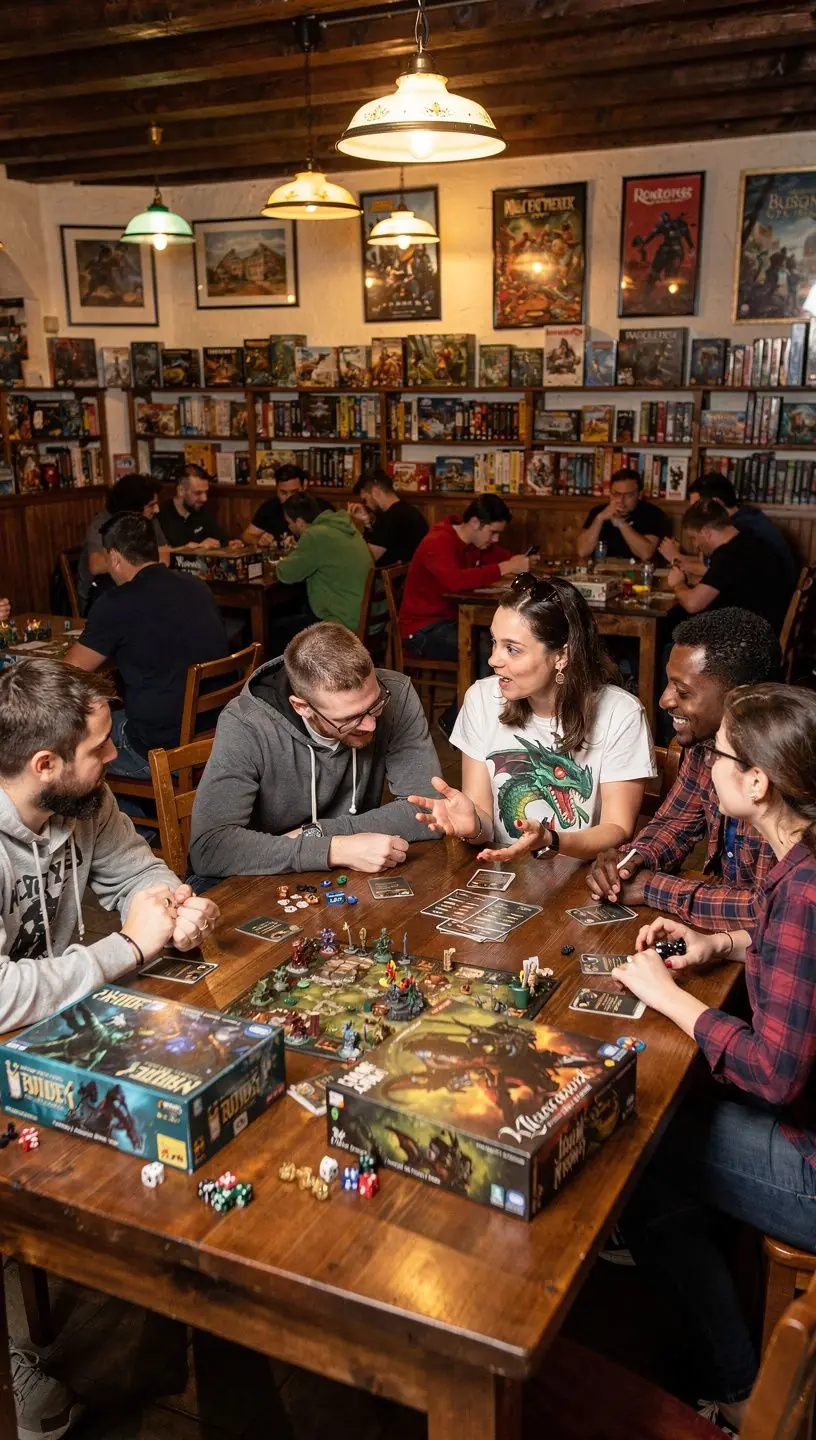
"Tournaments create opportunities for players to bond over shared experiences, leading to a stronger sense of belonging."
The Benefits of Regular Tournaments
- Enhanced Social Interactions: Many users report that regular tournaments facilitate social bonds that extend beyond the game itself. Participants often find themselves forming friendships that last long after the event concludes.
- Skill Development: Tournaments typically provide a structured way for players to improve their skills. The competitive nature encourages participants to learn from each other, fostering a culture of growth and development.
- Increased Club Engagement: Holding regular tournaments can significantly boost attendance and participation rates in club events. According to industry experts, clubs that host tournaments often see a 20-30% increase in member engagement.
Steps to Organize an Effective Tournament
Setting up a successful tournament requires careful planning and execution. Here are some steps to consider:
- Define the Format: Decide on the type of tournament (single elimination, round-robin, etc.) based on the number of participants and the time available.
- Set Clear Rules and Guidelines: Establishing clear rules helps ensure fair play and sets expectations for all participants. Experts recommend providing a detailed guide to avoid confusion.
- Promote the Event: Utilize social media and in-club announcements to attract participants. Effective marketing can enhance visibility and encourage more players to join.
- Gather Feedback: After the tournament, collect feedback from participants. This can offer valuable insights into what worked well and what could be improved for future events.
Challenges and Limitations
While tournaments can significantly benefit community building, they also come with challenges. Organizing a tournament typically requires a significant time commitment and effort from club members. Moreover, it’s important to manage expectations regarding player skill levels; tournaments may not be ideal if participants have vastly different experience levels. In addition, logistical issues such as space availability and equipment can complicate the planning process.
Conclusion
In conclusion, tournaments play a crucial role in building community within board game clubs. They not only foster social connections but also enhance player skills and club engagement. By understanding how to effectively organize these events and acknowledging their challenges, clubs in the Czech Republic can create vibrant environments where players thrive. Emphasizing education and community over mere competition can lead to a rewarding experience for all involved.
Continue Reading