The Importance of Social Interaction in Board Gaming
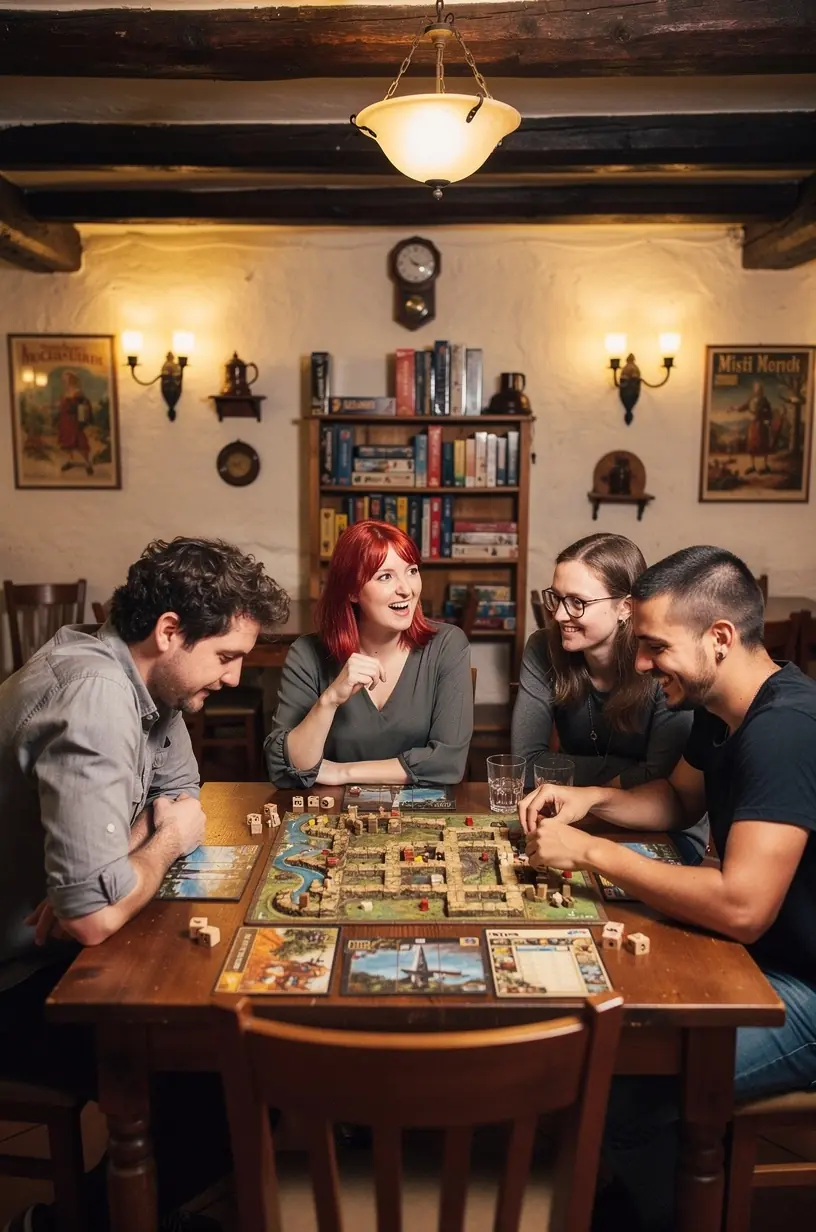
Board gaming is often viewed simply as a form of entertainment, but its potential for fostering social interaction is profound. In this article, we will explore how board games can enhance social skills, build community, and create lasting connections.
Understanding the Social Dynamics
Research indicates that social interaction is crucial for mental well-being. According to a study by the American Psychological Association, engaging in group activities can significantly reduce feelings of loneliness and depression. This is particularly relevant for board gaming, which offers a unique blend of competition and collaboration.

"Games can serve as a social glue, bringing people together and providing a shared experience that fosters connections."
How Board Games Facilitate Interaction
Board games typically encourage players to communicate, strategize, and negotiate, which can enhance social skills. Here are several ways in which board games may promote social interaction:
- Structured Communication: Games often require players to express their thoughts and intentions clearly. This structured communication can help improve interpersonal skills.
- Teamwork: Many board games involve collaboration, which can strengthen relationships as players work towards a common goal.
- Conflict Resolution: Games often present challenges that require negotiation and compromise, teaching players how to navigate disagreements constructively.
The Role of Board Game Clubs
Joining a board game club, especially those with dedicated physical spaces, amplifies these social benefits. Clubs often host regular tournaments and themed game nights, creating an environment conducive to social interaction. According to the Board Game Geek community, many members report that these clubs have significantly improved their social lives.
Challenges and Limitations
While the potential benefits of board gaming for social interaction are significant, it is important to acknowledge certain limitations:
- For newcomers, the learning curve may be steep, as mastering game rules can take time and patience.
- Not all games are suitable for every group; preferences vary, and finding common ground can sometimes be challenging.
- Regular participation requires commitment. Many clubs meet weekly or bi-weekly, which may not fit everyone's schedule.
Conclusion
Board gaming is more than just a pastime; it is a powerful tool for fostering social interaction and community building. Engaging regularly in a board game club can lead to improved social skills, enhanced relationships, and a richer social life. However, it is essential to approach this activity with realistic expectations regarding the time and effort required. By understanding the dynamics of social interaction in board gaming, players can make informed decisions about how to integrate this enjoyable hobby into their lives.
Continue Reading